Andy Cochrane opens his Men’s Journal feature with a promise: the perfect heli-ski experience does exist, and it is in Alaska. What follows is his week with Valdez Heli-Ski Guides.
Where "landing" is a relative concept
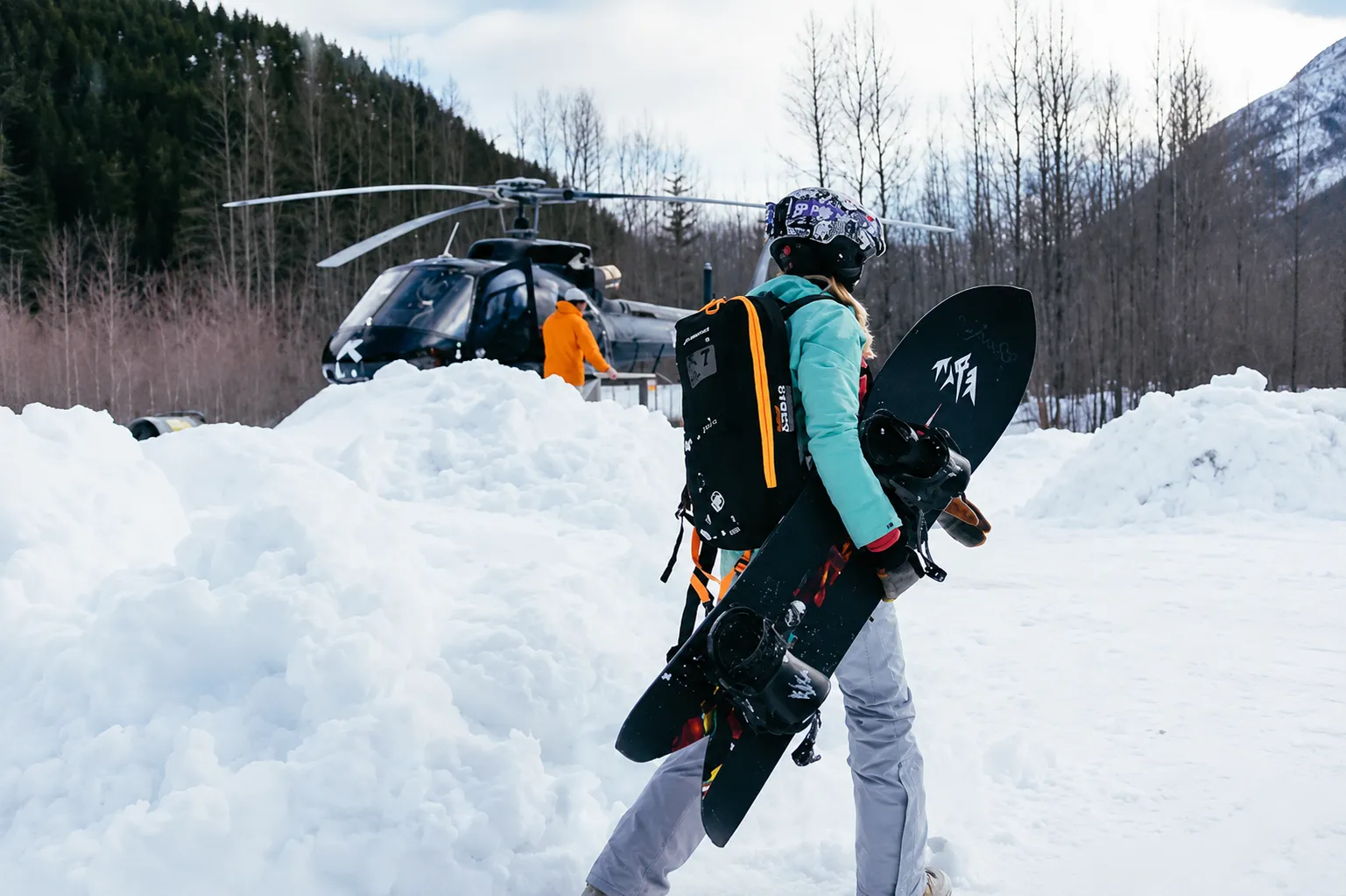
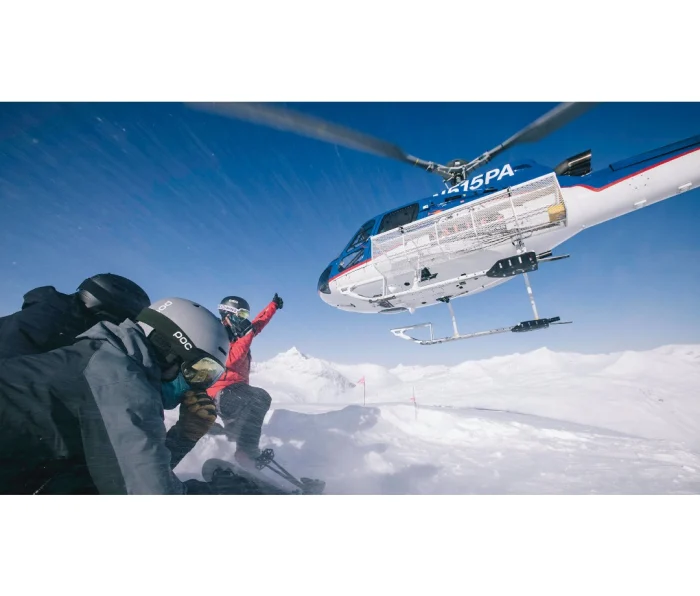
On the first run, our pilot - an unflappable Frenchman named Jean Louis - dangles the nose of the cockpit over a 2,000-foot cliff while perching the tail on a precarious cornice. Before Cochrane has a chance to ask whether he is serious, the veteran pilot casually motions to the great white outside.
“Alright then. I unbuckle my harness, drop a boot onto one of the skids, duck my head and leap into one of the greatest experiences of my life.”
Why it is addictive
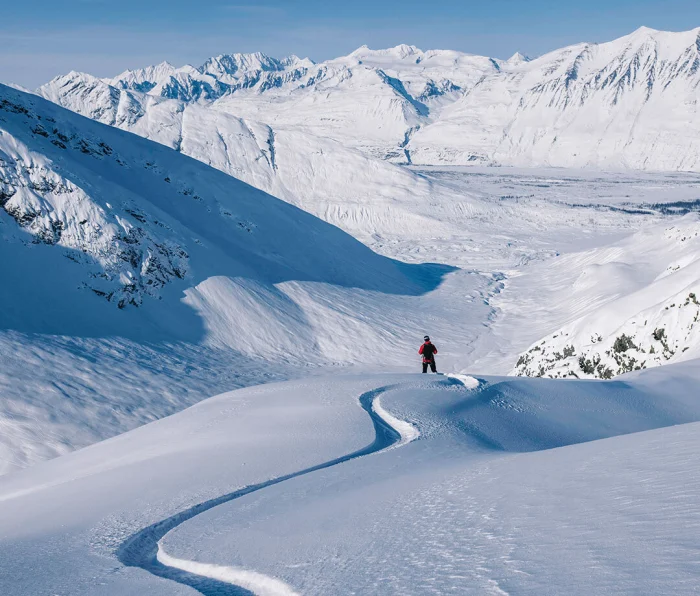
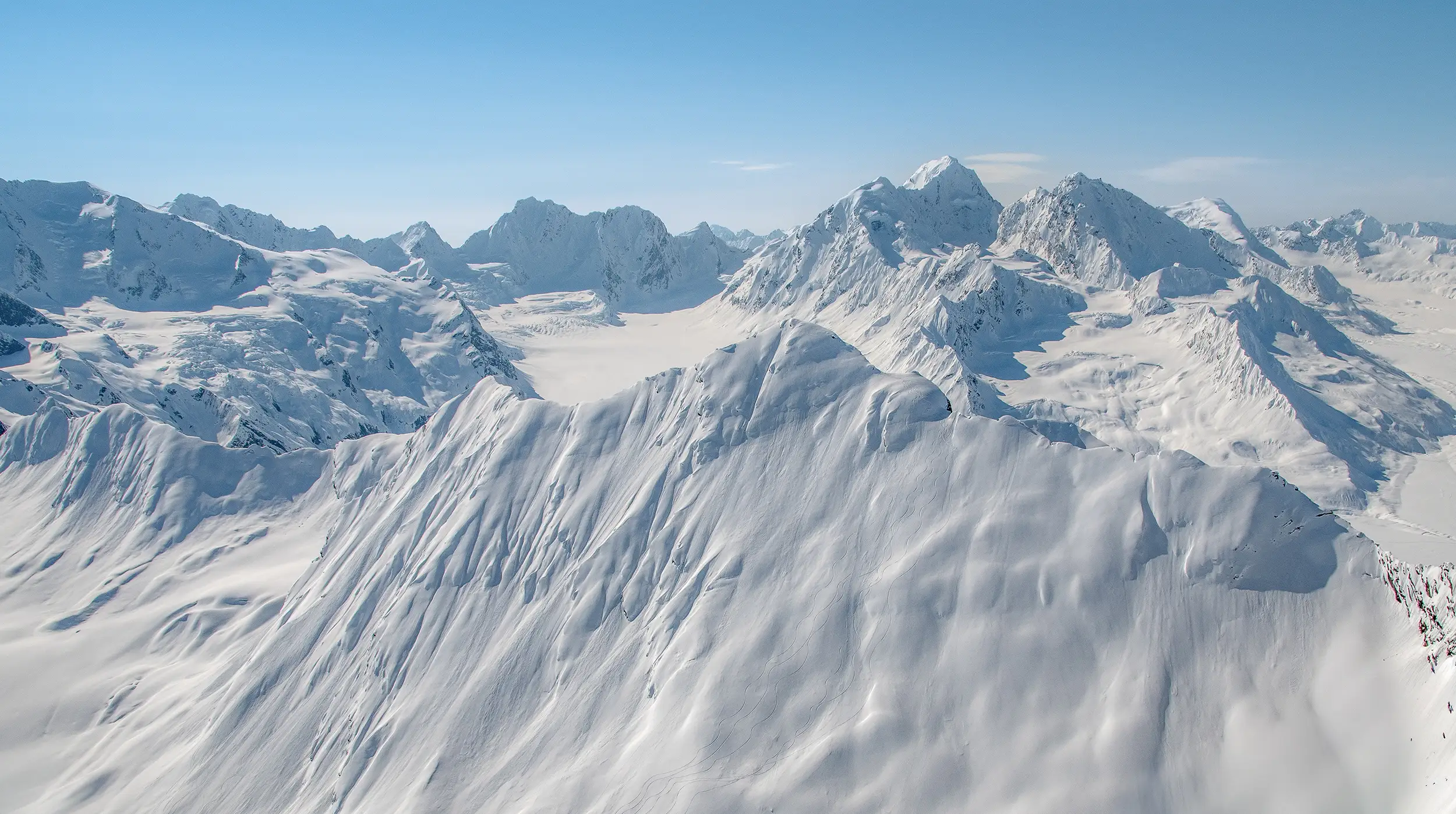
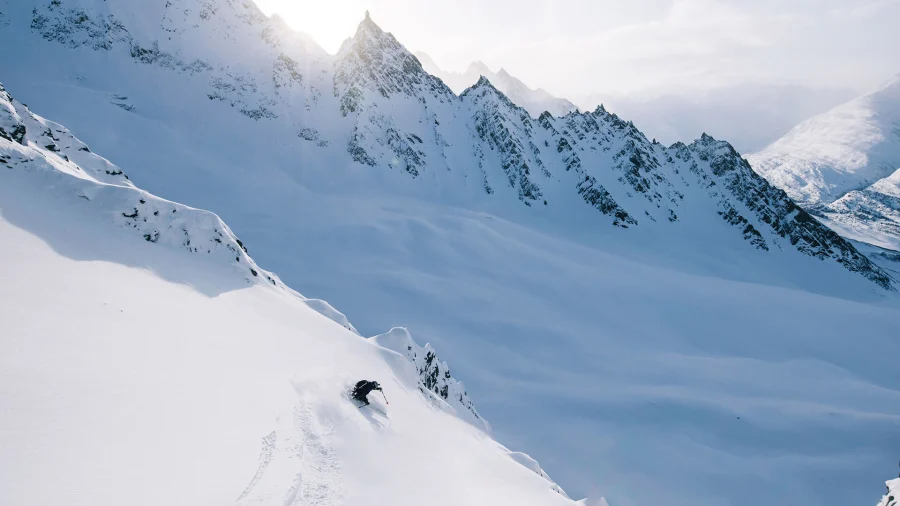
Acres and acres of untracked, knee-deep powder give you the chance to star in your own ski film. In Alaska, he writes, all the emotions - conquest, grandeur, solitude - are multiplied. You scout lines and draw lungfuls of frigid air while taking in the horizon: no people, no trees, no animals, no signs of humanity. Just primal peaks towering over an otherworldly stadium of snow.
Then comes the freedom of carving long, swooping lines in hero snow, leaving plumes of snow smoke in your wake. Starting anywhere from 6,000 to 8,000 feet of elevation, each run to the valley floor takes 10 to 20 minutes and covers 3,000 to 6,000 vertical feet.
What the guides are actually doing up there
Back in the bird, Jean Louis and guide Matt Bohne scan ridges for safe landings and lines worth skiing. Wind buff and sun exposure can ruin good snow, and the difference between fresh powder and variable crunch, Cochrane notes, is the difference between a high five and a trip-ending wipeout. At these latitudes the treeline sits just a few thousand feet above sea level - and without trees, a big gust can alter the snow surface in the time it takes to eat a sandwich between runs.
It is tempting to describe the staff’s demeanor as nonchalant, he writes. But that laid-back attitude is a mask for the controlled precision of consummate pros.
The last day
On the final morning, Matt directs the helicopter into a new valley with steeper lines than they had seen all week - lines Cochrane did not think were even accessible, guarded by a large cornice at the entrance.
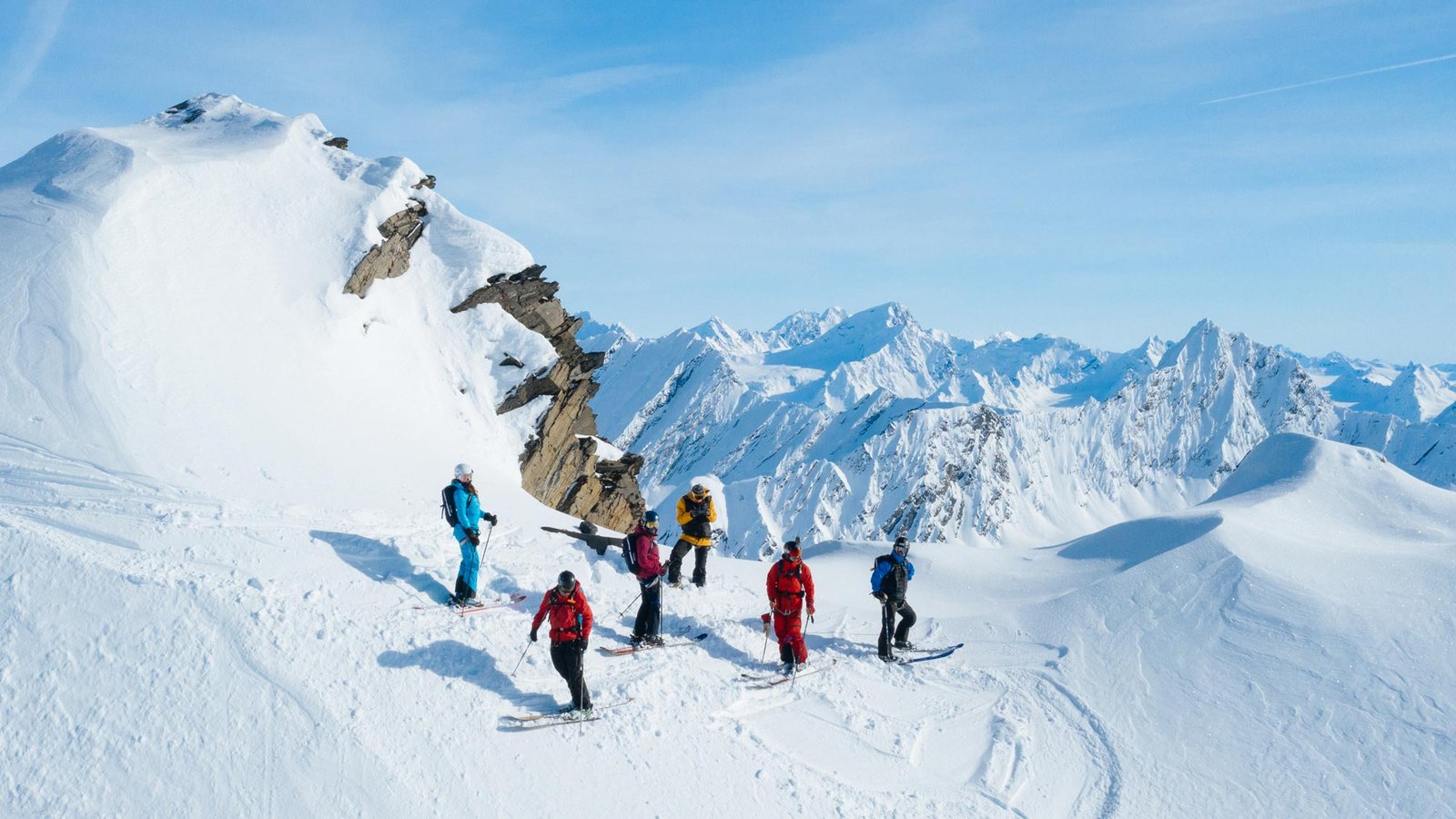
Outside, Matt gives the instructions Cochrane was expecting and quietly fearing: drop over a steep ledge, traverse hard right to avoid a cliff band, then ski a steep chute to the valley floor, staying clear of hard-pack debris in the apron. Matt goes first, makes the traverse calmly, and disappears from sight.
The nerves return. Knees vibrate. Caution takes precedence over grace: he executes an awkward butt-scoot to the edge and lowers himself clumsily off the eight-foot drop. Then the traverse goes quickly, the hard-pack turns to soft, stable powder, and he is back in a world he knows well - left, right, left, right.
“In good snow, skiing is the same as flying, a place between stability and free fall. I find a rhythm, lean back and let my skis do the rest.”